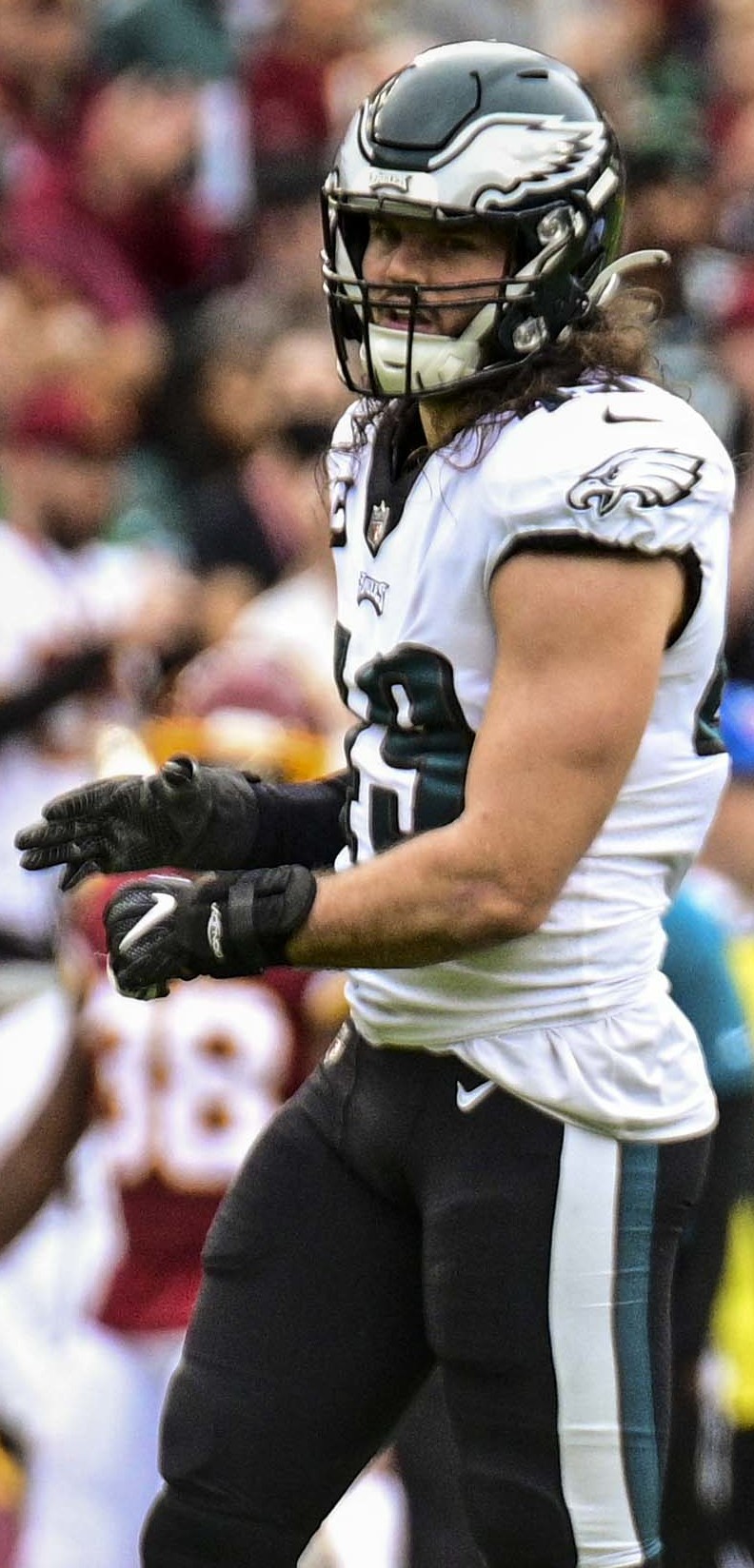

The NFL’s Week 6 accountability table lists a $23,882 fine against Broncos linebacker Alex Singleton for unnecessary roughness involving use of the helmet, with 52 seconds remaining in the fourth quarter. Denver Post reporter Parker Gabriel identified the play as Singleton’s hit on Seattle quarterback Sam Darnold and reported on October 24 that it had not drawn an on-field penalty.
That is the current assessment. It is separate from the $17,911 fine for a hit on Jacksonville tight end Brenton Strange that 9NEWS reporter Mike Klis said was rescinded on appeal on October 7, citing a source. Klis reported that the appeal accepted Singleton’s account of his positioning on that earlier play. The result concerned that specific incident.
 FULLY GUARANTEED
with J. Lalwani
One current assessment, one separate reversal
Putting the two dollar figures next to each other is useful for explaining their different status. Adding them into a $41,793 current liability would be misleading: one is the newly listed assessment and the other was reportedly overturned. Neither a fine announcement nor a rescission alone establishes the timing of a payroll deduction or a cash refund. Those movements require their own evidence.
The NFL’s published process provides for players to challenge fines before appeal officers jointly appointed by the league and the NFL Players Association. An appeal can leave a penalty in place or change its outcome. This article has not established that Singleton has filed a challenge to the Seattle assessment, obtained a decision or paid the newly listed amount.
A successful appeal is a precedent for scrutiny
Our analysis: the appeal right creates a practical alternative to accepting an assessment, but the alternative has to be evaluated play by play. A previous victory can show that review matters. It cannot supply the factual argument, video interpretation or result for a different collision. The earlier decision gives Singleton an example of a successful challenge, not immunity from later enforcement.
It also explains why the reporting should keep the on-field ruling and the later financial decision in separate columns. Gabriel’s account says the Seattle play was not penalized during the game. The league nevertheless lists a fine after review. Those are different decisions made in different settings; the absence of a flag is not proof that a subsequent assessment cannot occur.
For the player, the human stakes include both money and how his conduct is described. A headline that turns every announced assessment into money definitively lost can erase a successful appeal. A headline that treats one reversal as vindication on all future plays makes the opposite mistake. Accurate status labels protect the reader from both shortcuts.
Do not manufacture a suspension from a headline
There is no verified automatic suspension conclusion in this package. A reported count of fines does not, by itself, establish which incidents qualify under a particular repeat-offender rule, which results remain effective after appeals or whether the necessary disciplinary conditions have been met. That conclusion would require the controlling rule and the player’s applicable record.
The Fully Guaranteed verdict: report the $23,882 assessment plainly, preserve the earlier $17,911 reversal and leave the new outcome open until there is evidence of a challenge or decision. An appeal is a real procedural opportunity. It is not a refund receipt, a future victory or a substitute for examining the next play.