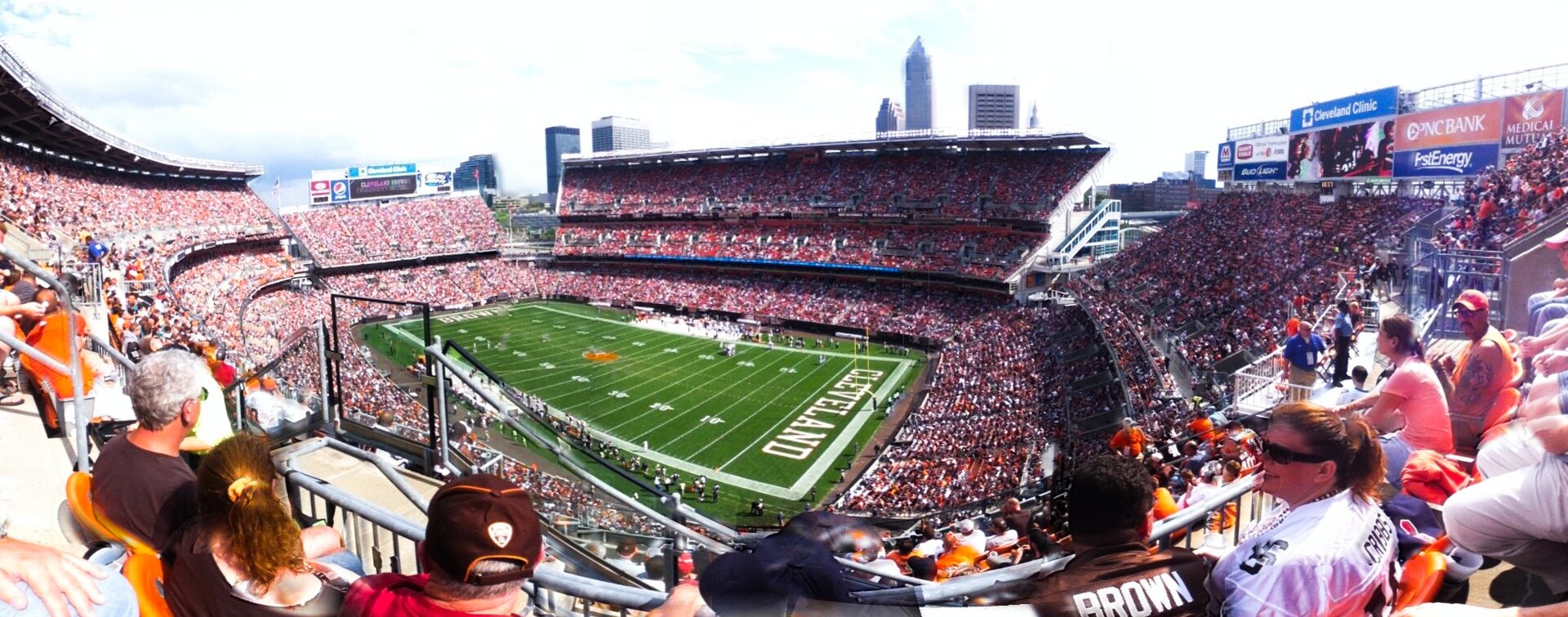

The Browns’ stadium repair bill has a new number at Cleveland City Council. The amount is still $1,122,824.02. A new emergency ordinance appears on the tentative November 9 agenda, two weeks after council rejected a reimbursement request for the same seven repairs at Huntington Bank Field. The new docket shows a first reading with no final action recorded as of November 7.
The October 26 finance committee recommended approval, but the full council denied Ordinance 931-2026 that evening. Sean McDonnell of Ideastream Public Media reported seven votes against and six in favor. The new Ordinance 1385-2026, introduced by Council Members Mike Bishop and Blaine Griffin by departmental request, would let city directors make an agreement with Cleveland Browns Stadium Company LLC. Only after that agreement is executed would the proposal authorize reimbursement of up to $1,122,824.02 from the Stadium Capital Repair Fund.
What the seven repairs cost
Concrete and joint repairs account for $650,000, about 58% of the request. The other $472,824.02 covers a failed electrical device, two ejector-pump jobs, a sanitary pipe, pipe insulation and an overhead door. The city’s capital projects office says it inspected the conditions and deemed the repairs necessary. For the people working in the stadium or coming to a game, the hazards described in the city’s memo range from electrical exposure to sewage backing up into occupied areas.
 FULLY GUARANTEED
with J. Lalwani
Who carries the bill while council decides
Cleveland owns the stadium and the Browns operate it. The city’s law and capital projects directors argue that a lease amendment shifted most major repair costs to the team while leaving Cleveland responsible for qualifying safety and basic-system work. Their memo describes written notice, a possible damages claim and arbitration over whether work qualifies. McDonnell reported in October that administration officials warned about litigation and Griffin raised the potential cost of fighting the bill. Those are routes and risks identified in public, with the underlying lease obligation and any payment still unresolved in the records reviewed.
The new proposal requires a two-thirds affirmative vote and mayoral approval for immediate effectiveness under its emergency clause. The November 9 listing gives the bill a way back into the legislative process. The Brook Park move and the lakefront redevelopment timetable run through separate documents. The next thing to watch here is what council does with the same seven repairs. A vote would answer whether the city can make this agreement. An executed agreement and a payment record would answer what happened to the money.
Financial & reporting sources
- Cleveland City Council, tentative November 9 agenda
- Cleveland City Council, Ordinance 1385-2026 docket
- Cleveland City Council, proposed ordinance text and reimbursement terms
- Cleveland Mayor’s Office of Capital Projects, seven repair items and administration memorandum
- Cleveland City Council, October 26 legislative history
- Sean McDonnell, Ideastream Public Media’s account of the October vote