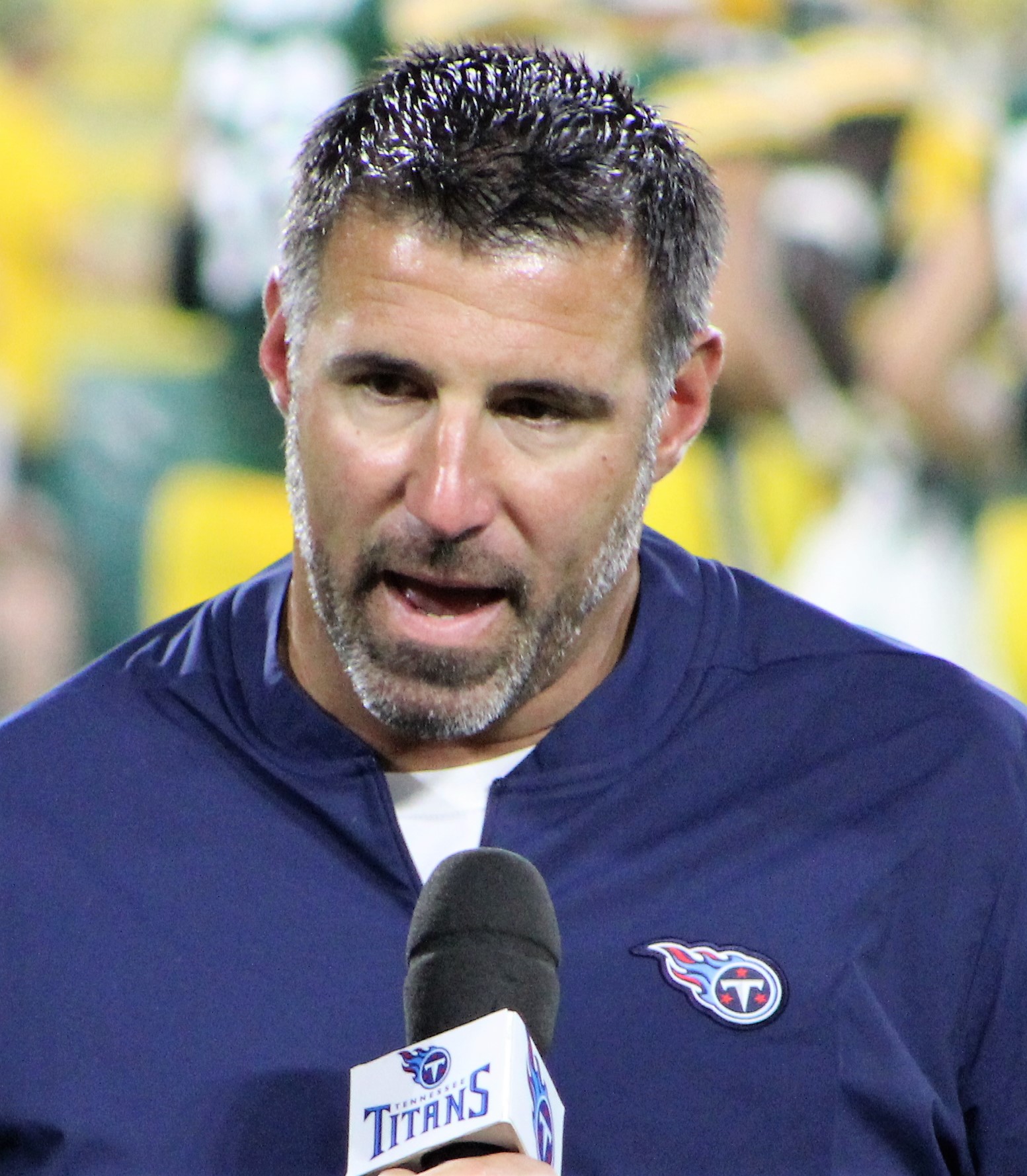
Reportedly on hold.

Three NFL coaches face reported $250,000 fines for their conduct toward game officials. Philadelphia’s Nick Sirianni, New England’s Mike Vrabel and the Jets’ Aaron Glenn have been named in the reporting. The financial catch matters as much as the headline: the penalties are being held in abeyance and could be repealed with good behavior. That is not a report of $750,000 already paid.
Sports Illustrated’s Albert Breer first reported the three fines in his October 21 owners’ meeting notes. ESPN’s Tim McManus subsequently reported that a source confirmed Sirianni’s fine and the temporary hold, while crediting SI for the initial reporting. McManus’s report is available through ESPN’s authorized 6abc syndication. These are attributed reports, rather than a public set of disciplinary orders reviewed by Fully Guaranteed.
On October 23, Front Office Sports’ Mark Maske reported that three people familiar with the situation confirmed the fines and the possibility that each could be overturned if that coach has no further violations. The reports do not establish the specific incidents that triggered every fine, the complete written conditions or an actual collection date. A visible sideline confrontation is not enough to assign the league’s private rationale.
 FULLY GUARANTEED
with J. Lalwani
The total is certain arithmetic. Payment is a different claim.
The arithmetic is straightforward: three reported penalties multiplied by $250,000 equals a nominal $750,000. The accounting label needs more care. The figure describes the combined announced amounts in the reporting; it does not establish money collected, a league revenue total or three salary deductions. We have not obtained proof of payment. Nor should a temporary hold be described as a final cancellation.
Our analysis: abeyance creates a different incentive from an immediately collected fine. A coach has a reason to avoid a further violation if the reported possibility of repeal remains available. The league can deliver a warning with a substantial stated amount while leaving the eventual financial outcome contingent. That explains the mechanism; it does not prove that a particular coach will change his behavior or that the league will forgive a particular fine.
The credible outcomes supported by the reporting are therefore conditional. A penalty could be repealed, or the hold could ultimately give way to enforcement. The criteria and process would matter in either case. Without the written orders, we cannot supply an appeal deadline, a contractual appeal right, an automatic trigger or a season-long promise that a coach will owe nothing. Those missing terms limit the analysis rather than inviting an invented negotiation.
The next interaction carries more than a number
There is also a professional stake beyond the amount. Coaches need to communicate forcefully when they believe a call is wrong, while officials need to manage the game without confrontations taking over. In our view, effective advocacy means making the objection without losing the ability to work through the next snap. That is an editorial judgment about the job, not a finding that a particular exchange caused these fines.
The temptation is to compare the penalties with a player’s game check or a coach’s annual compensation. That would require verified contracts and comparable rules, neither of which these reports supply. The safer comparison is between stages of this same sanction: an attributed assessment, a hold and a possible later financial outcome. Moving from one stage to another requires evidence. A large number does not remove that requirement.
The Fully Guaranteed verdict: read the condition before spending the headline total. The reported fines are substantial, and the hold is a central part of the story. The next meaningful developments would be the governing terms, a confirmed repeal or verified enforcement. Until then, $750,000 is the aggregate face amount of three reported penalties. Calling it collected cash would put the story ahead of the evidence.