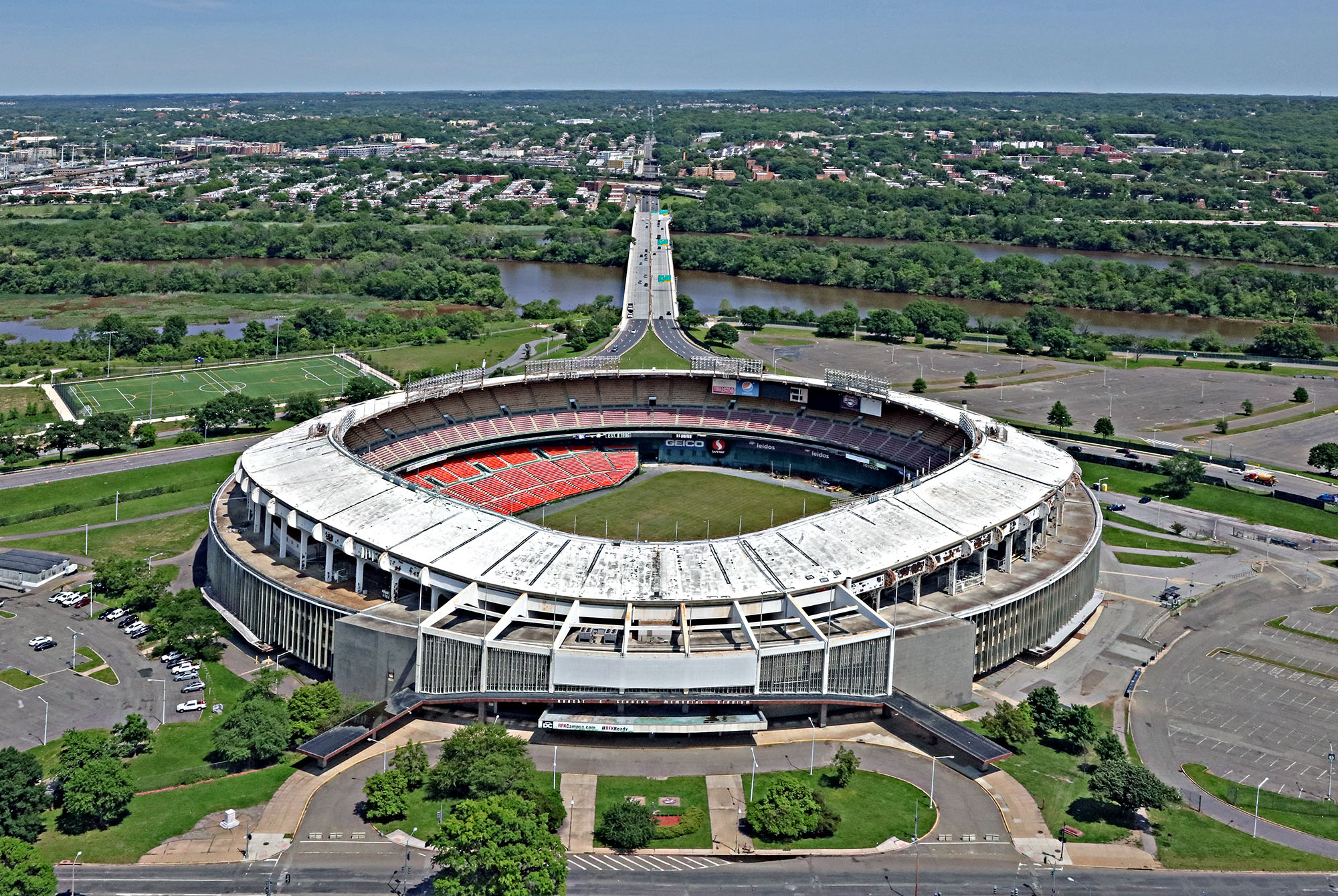

District officials say the RFK campus will have no natural gas-fired power plant. That does not mean the Commanders’ proposed stadium will open without natural gas. In an on-record statement and planning background published by FOX 5’s Stephanie Ramirez and Sam Kosmas, the RFK Project Management Office described limited gas service for particular kitchen and heating systems while electrical capacity catches up.
The office says permanent power is needed by April 2028 to support a planned 2030 opening, and sufficient electrical capacity is not yet guaranteed for full electrification at that milestone. Those are the project’s stated planning requirements and target, rather than proof that an opening has already slipped. Ben Peters of the Washington Business Journal independently reported the limited-gas plan and officials’ rejection of a power plant.
The distinction matters for the public debate. Rejecting a power plant answers one question about the proposed infrastructure. It does not settle objections to combustion in individual building systems. FOX 5 reported that advocates sought broader restrictions. A claim about which equipment burns gas and a disagreement over whether any gas should be used can both remain on the table.
 FULLY GUARANTEED
with J. Lalwani
Define the end of the interim arrangement
Our analysis: the negotiation is now partly about a transition that needs measurable conditions. A temporary arrangement is more useful to evaluate when the parties identify the equipment involved, the expected duration and the test for replacing it. Calling something temporary does not, by itself, establish an end date. The reviewed statements do not supply a guaranteed date for complete electrification.
The alternative is not established simply by choosing a preferred fuel. A credible all-electric opening plan would need dependable capacity when systems must be tested, together with a design and schedule that can use it. That is a question for the utilities and project teams to substantiate. It is not evidence that every proposed gas component is necessary, nor that an alternative is impossible.
For the District and the team, preserving a delivery target can strengthen the argument for an interim solution. For residents, accepting flexibility without a clear exit condition can weaken their ability to judge whether the long-term promise is being met. These are competing interests created by the disclosed timetable; they do not establish private motives or predict a regulatory decision.
Follow the transition costs
The financial follow-up is equally concrete: who pays for any interim equipment, subsequent conversion and changes to the surrounding electrical infrastructure? The reviewed reporting does not establish a complete allocation or price for that transition. A construction budget headline would not answer those narrower questions, so this article assigns no invented dollar value, savings figure or bill to taxpayers.
The project office also distinguishes the stadium-opening process from the campus-wide energy master plan. That makes accountability more important, not less. An operating decision for the stadium and a long-term recommendation for the broader campus need identifiable responsibilities. Readers should be able to trace which promise belongs to which project, and what evidence would show delivery.
The Fully Guaranteed verdict: keep the equipment and the calendar in the same conversation. The power-plant denial is specific. The limited-gas plan is specific. The outstanding business questions concern how long the interim arrangement would last, what changes it would require and who carries the cost. A credible transition should become a documented obligation, not remain an adjective.