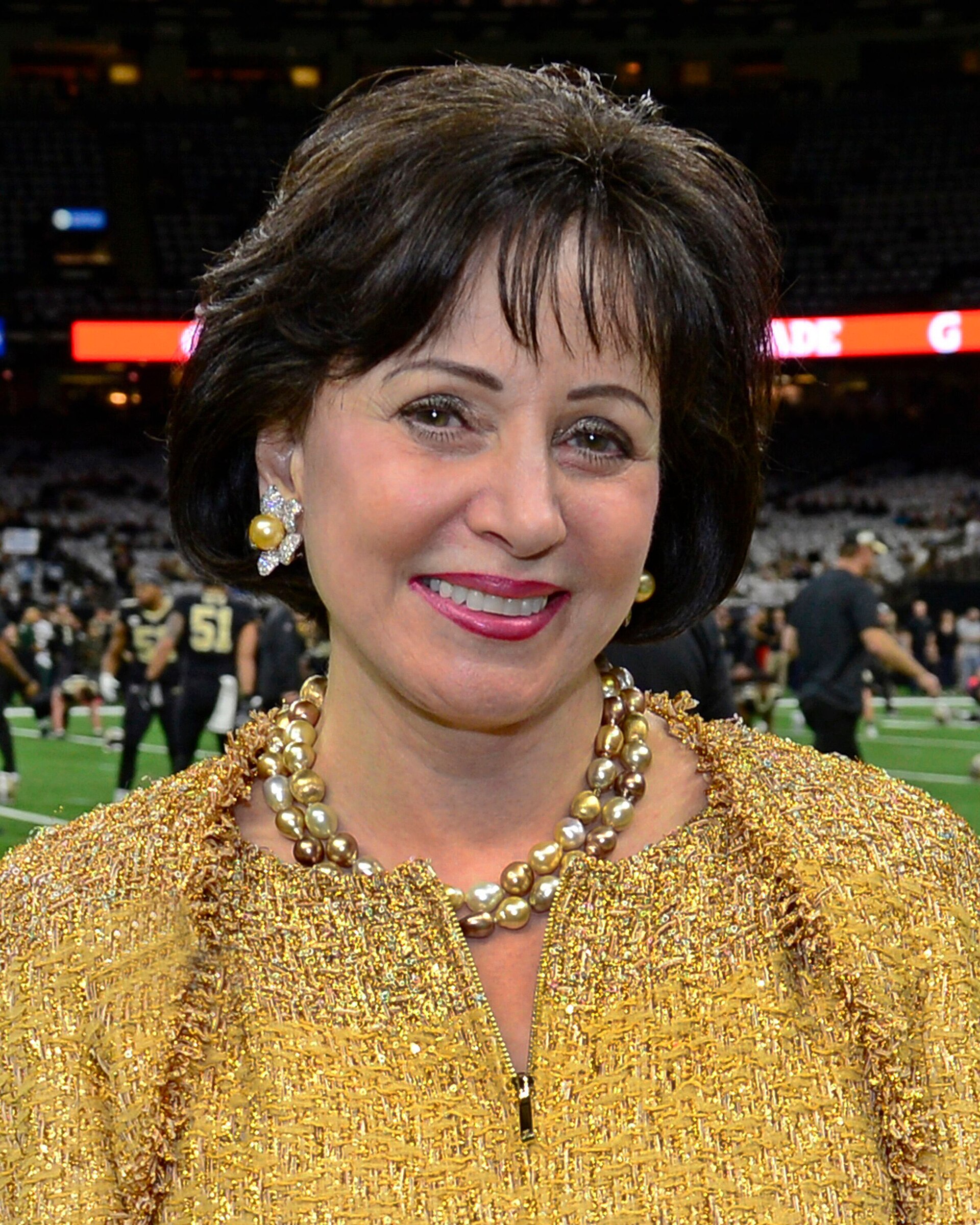

Gayle Benson wanted better football from the Saints. Kellen Moore got the chance to change how his staff prepared for it. Benson publicly assigned responsibility after a 1–4 start in October. Reporting later that week described her support for Moore. By the November bye, the coach was still in charge and had made a personnel change of his own.
What Benson said and what Rapoport reported
At the Greater New Orleans Quarterback Club on October 13, Benson called the 1–4 start unacceptable. She said preparing players was Moore’s responsibility, building the roster was Mickey Loomis’s and holding the organization accountable was hers. She told the audience that supporters had invested time, money and emotion in the Saints. Improved performance, in her account, was what would earn their confidence back.
Ian Rapoport reported on October 18 that Benson had visited practice on Friday in a show of support for Moore and his coaches. He said the team still needed to win and that, as he understood it that morning, a coaching change was unlikely in the near term. Five days earlier Benson had publicly called for better results. Both accounts can be true when an owner is giving the staff time to respond.
 FULLY GUARANTEED
with J. Lalwani
The work Moore changed
Loomis made a similar case for patience on October 21 in Versailles. The Associated Press reported that he understood Benson’s criticism and described the roster as young and developing. The Saints entered their bye at 2–5, and the club listed them at 86 rushing yards per game going into the Cleveland week. The numbers show why the conversation turned from who had Benson’s support to what the staff could change.
Moore chose to dismiss run game coordinator T.J. Paganetti and keep the responsibilities in-house. He said offensive line coach Brendan Nugent would lead the structure of the run game during the week and running backs coach Joel Thomas would continue his situational work. Center Erik McCoy put some of the responsibility on his own communication and execution and acknowledged that a coach had lost his job. The immediate change had a human cost and a clear person responsible for putting the new plan in place.
Where the authority sits
The alternative was to keep the existing staff assignments and try to get more out of the same process. Moore used the bye to change who did that work. Benson still controls the broader decision about the direction of the club. The public sources establish no new contractual terms, buyout figure or timetable for a change at head coach.
The Cleveland game is the first look at the revised run-game setup. Moore has room to act, and the staff knows what Benson will measure. A public endorsement can give a coach time to make changes. Its value to the Saints depends on what that time produces.
Financial & reporting sources
- Gayle Benson — October 13 Quarterback Club speech transcript and video
- Ian Rapoport, NFL Network — October 18 original broadcast clip
- Ken Maguire, Associated Press — October 21 Loomis remarks from Versailles
- John DeShazier, New Orleans Saints — November 2 staff decision and McCoy comments
- John DeShazier, New Orleans Saints — November 7 run-game figures
- New Orleans Saints — official schedule