
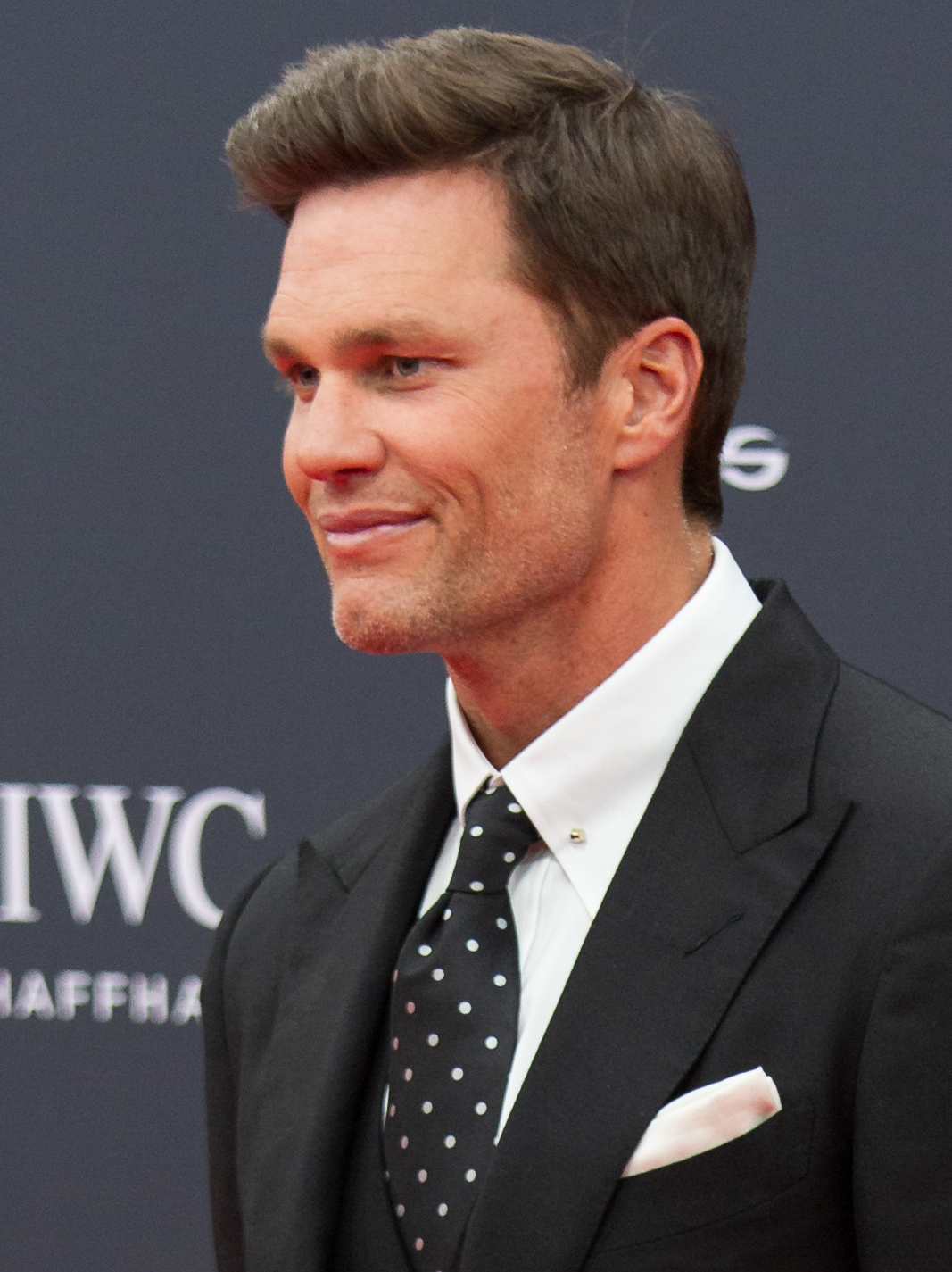


Chase has given Tom Brady two parts to play in its campaign about everyday money decisions. The bank’s November 19 announcement introduces a social series built around competing spending and saving instincts. It takes an existing relationship with the seven-time Super Bowl champion beyond the athlete-focused program where Chase already works with him.
The first installment is called “Tom Spendy vs. Tom Savey.” Chase describes one voice rushing toward an impulse purchase, a suspicious message or another credit line, with the other offering a more cautious response. Those are characters in the announced creative, not an account of Brady’s personal banking habits.
The company says the series is rolling out across Meta, TikTok and YouTube. Its consumer-education effort includes Chase Money Skills guidance on budgeting, credit, bills, saving and scam prevention, alongside digital tools, branch support and community workshops. The announcement describes the campaign and resources; it does not provide independently measured audience figures or evidence of how viewers change their behavior.
CHASE × TOM BRADY · ANNOUNCED NOVEMBER 19, 2026
Two roles.
An existing relationship.
The quick-decision voice in the campaign’s spending and scam-recognition scenarios.
The cautious countervoice in the same campaign. These are fictional roles, not Brady’s financial history.
Meta · TikTok · YouTube
November 19 is the campaign-announcement date. Brady already belonged to the JPMorganChase Athlete Council. No fee or measured campaign result is disclosed.
Source: Chase original campaign announcement, November 19, 2026.
Brady was already a member of the JPMorganChase Athlete Council, which the company says helps develop programs for athletes’ particular financial needs. The broader campaign puts the same relationship in front of everyday consumers. In the announcement, Brady connects the discipline and habits of sport with decisions about money. That is his stated rationale for participating, rather than evidence that his athletic record establishes a financial outcome.
The commercial agreement remains outside the spotlight. Chase’s announcement gives no fee, duration, exclusivity provision or termination terms for Brady’s participation. It does not establish that a separate endorsement contract was newly signed in November, or that the campaign changed the terms of his existing council role. An extension of the marketing relationship and a newly executed agreement are different claims.
Our analysis: Chase is using a familiar athlete to introduce resources it also distributes through ordinary banking channels. The bank could explain those subjects without a celebrity; the series instead adds recognizable characters and humor at the point where it wants people’s attention. Without campaign costs or results, that choice cannot be priced as a return on investment.
The verdict: the visible development is a wider use of Brady’s relationship with Chase. The characters make an abstract spending decision easier to dramatize; the company’s resources carry the practical detail. What matters next is how the campaign reaches people and how the resources are used. The announcement supplies the marketing mechanism, not a contract price or a measured success.