
Chicago developers are offering the Bears more than a stadium site. Capri Investment Group and its partners say they are prepared to buy the club’s Arlington Heights property if that investment stands in the way of a Chicago deal. For a team that owns one Illinois site and is actively studying two in Indiana, a named potential buyer changes what it could do with the land. Capri disclosed no price, and the Bears have yet to publicly accept the proposal.
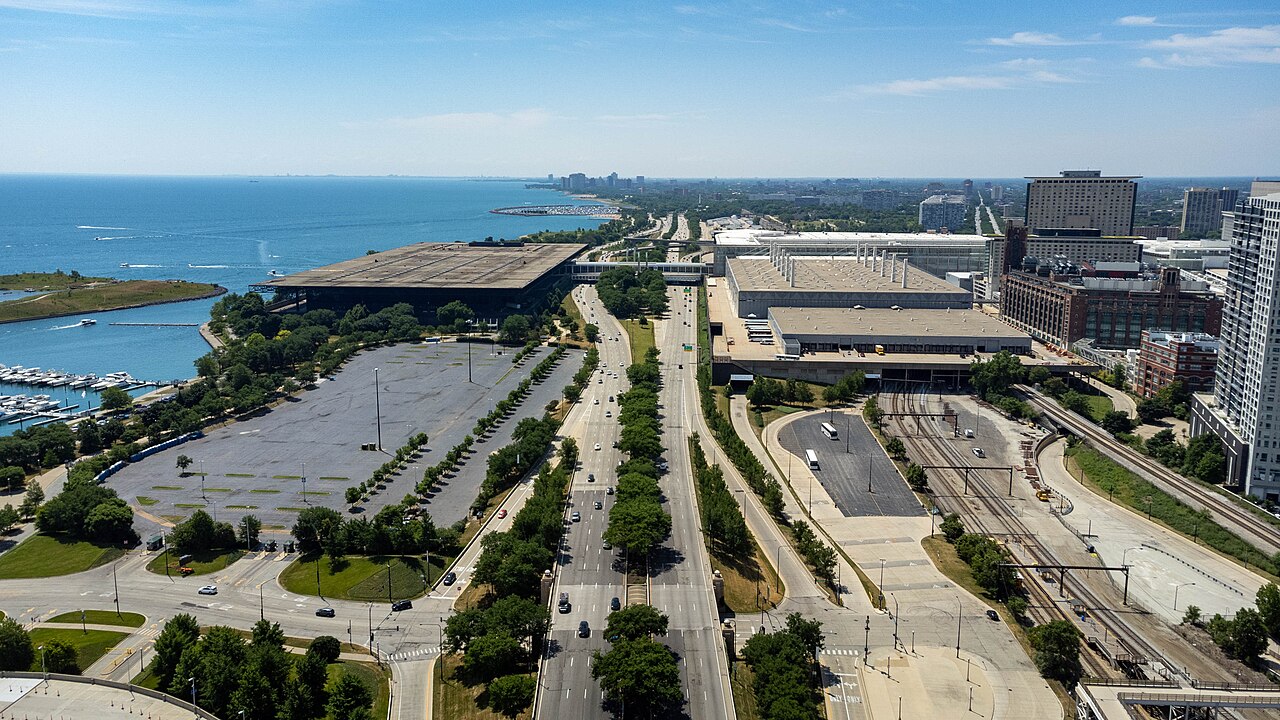
Capri and GRIT Chicago unveiled the expanded Bronzeville Lakefront plan on November 12. They put a $10 billion price tag on an approximately 100-acre development that would include a 75,000-seat dome and more than 5,000 homes on or near the site. The original former Michael Reese Hospital property covers about 48 acres. The expanded plan adds Prairie Shores and proposes building over part of McCormick Place’s marshaling yard. The Metropolitan Pier and Exposition Authority told the Chicago Sun-Times that it had made no commitments.
What the Bears get to negotiate
For the Bears, a sale could recover capital tied up in Arlington Heights if the club pursued Bronzeville. The terms of any sale would determine how much. Capri also proposes a role for the Bears in the new district around the stadium. The Bears’ board voted in June to advance Hammond. In a November 6 statement published by Mike Florio at NBC Sports, the team said due diligence continued on two Wolf Lake sites and welcomed talks with Illinois leaders. That statement predates the Bronzeville proposal.
 FULLY GUARANTEED
with J. Lalwani
Who would pay
The developers propose a publicly owned stadium and an upfront Bears lease payment. They name possible sources including naming rights, personal seat licenses and NFL financing. They also raise potential Illinois Sports Facilities Authority borrowing or refinancing and separate municipal, state and federal tools for infrastructure. The $10 billion applies to the wider development. The developers’ estimate of about $135 million in annual tax revenue from the wider district depends on their assumptions and the final financing. The proposal discloses no binding funding shares or approved tax receipts.
The people already on the site
For Prairie Shores residents, the order of construction may matter more than the order of financing. The developers want to retain and rehabilitate two towers and have proposed up to 1.5 replacement homes per affected apartment. WTTW’s Eunice Alpasan reported that the plan offers affected tenants priority for comparable units at equal rent for at least five years. It would protect existing buildings until replacement construction is underway. At the developers’ news conference, Pastor Chris Harris said families should be able to stay until the replacement homes are ready, WTTW reported. Those are two different dates, and the enforceable protections are still open.
Illinois House lawmakers are scheduled to return for veto session November 17–19. The Sun-Times reports that developers have until December 14 to submit a revised infrastructure plan to City Hall. That is a planning deadline. A land purchase price, a workable lease and definite commitments from the necessary public bodies would show whether the developers can turn the pitch into an option the Bears can use.
The verdict
Bronzeville’s offer gives the Bears a possible buyer for a property they already own. Getting from that offer to a stadium would require the club, public authorities and developers to agree on who pays for the buildings and infrastructure, and what tenants can count on before anyone moves.
Financial & reporting sources
- Capri Investment Group and GRIT Chicago: November 12 proposal and financing outline
- Eunice Alpasan, WTTW: Mayor’s office and Prairie Shores protections
- Chicago Sun-Times: McCormick Place authority response and infrastructure deadline
- Chicago Bears: Hammond board decision
- Chicago Bears: August Hammond due diligence
- Mike Florio, NBC Sports: November 6 Bears statement on Illinois and Hammond
- Illinois House of Representatives: November 17–19 veto session calendar
- Farpoint Development: existing 48-acre Bronzeville redevelopment
- Fully Guaranteed: the Illinois legislative calendar and Hammond alternative