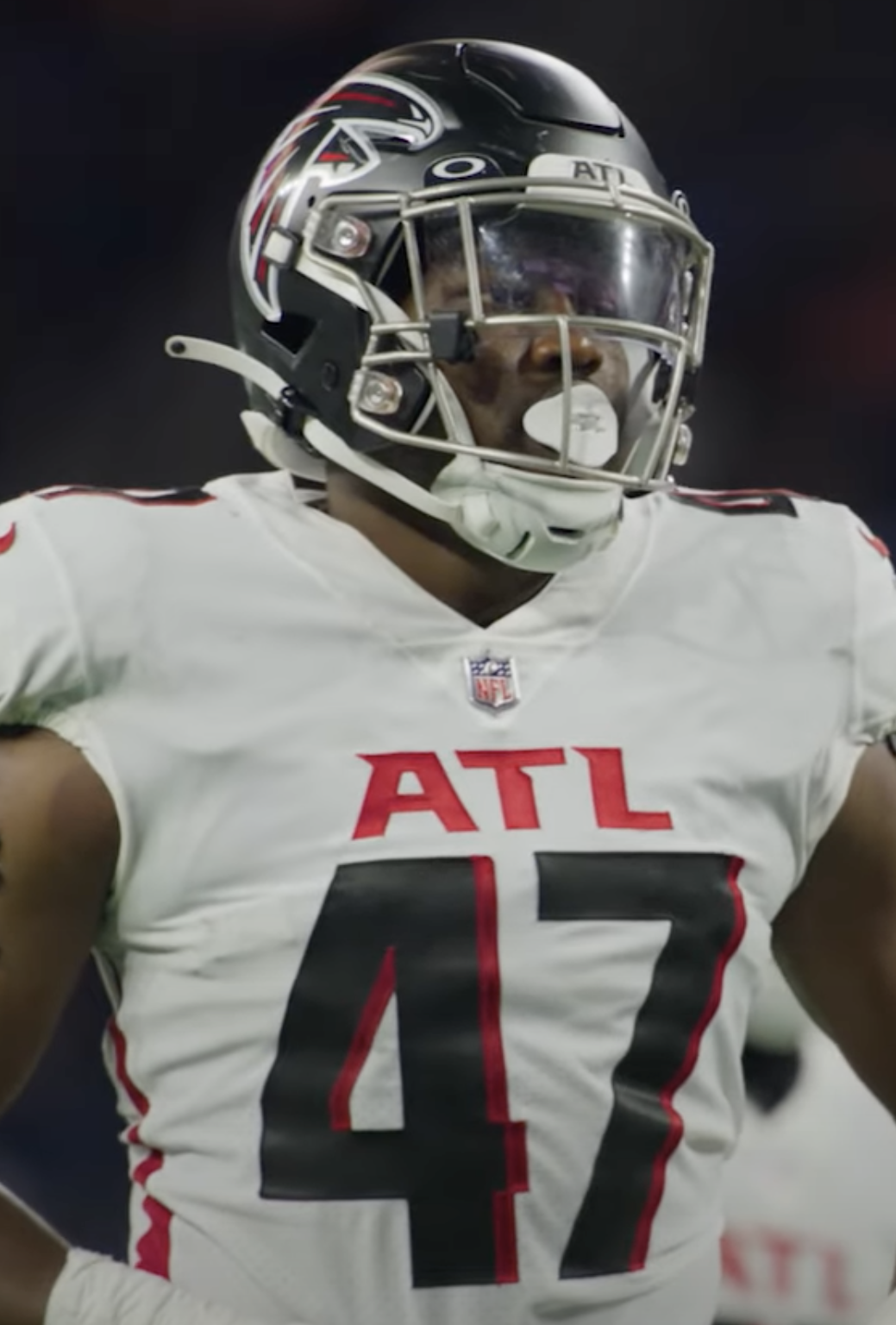

Cincinnati agreed to send Philadelphia a 2027 sixth-round pick for Arnold Ebiketie, then called the trade off before Tuesday’s deadline. The reported price had a second part. Over The Cap analyst Nick Korte projected that acquiring Ebiketie would also cancel the third-round compensatory pick the Bengals were in line to receive after Trey Hendrickson left for Baltimore. A low-cost addition to the pass rush suddenly threatened a much better draft asset.
NFL Network’s Ian Rapoport and ESPN’s Adam Schefter reported the reversal. The Philadelphia Inquirer independently reported that a league source had confirmed the original sixth-round terms. Ebiketie stayed with the Eagles. The third-rounder was a projected compensatory selection, subject to the league’s final calculation after the season. It would not have gone to Philadelphia as part of the trade. In Korte’s model, Cincinnati would have paid the sixth and lost eligibility for that projected third.
 FULLY GUARANTEED
with J. Lalwani
Why a trade counts in the free-agent formula
The rule is in Appendix V of the NFL’s collective bargaining agreement. A team’s compensatory picks depend in part on the balance of qualifying free agents it loses and gains. A player traded during the same league year in which he signed as a compensatory free agent counts as an acquisition for his new club. Korte’s projection had Cincinnati with three qualifying departures and two additions, excluding Cordell Volson from the departures. Adding Ebiketie would have removed that net loss. The pick’s eventual round still depends on the formula, including compensation, playing time and honors.
The contract was modest enough to make the initial idea understandable. Philadelphia announced a one-year agreement with Ebiketie in March. His agent, Damarius Bilbo, told Schefter that it could pay up to $7.3 million, with $4.3 million fully guaranteed. Those are the original full-season terms. Cincinnati’s reported sixth-round offer was separate consideration, and the canceled trade created no completed transfer of the contract. The draft effect was the price the Bengals had to weigh alongside any remaining pay.
The player who stays
Ebiketie is 27 and has spent this season in Philadelphia’s edge rotation after four years in Atlanta. The Eagles’ game log lists no sacks this season. A new team could have offered a different assignment, but the reported deal included no promise of a starting job or more snaps. With the move off, he remains part of a group that includes Jalyx Hunt, Jonathan Greenard and A.J. Epenesa. Philadelphia keeps the player and loses the chance to collect the reported sixth-rounder.
Cincinnati kept both the offered pick and its position in the compensatory formula. It also kept the pass-rush problem it had tried to address. A sixth-rounder can be a reasonable price for help in November. Asking that same player to justify the loss of a projected third changes the decision. The Bengals backed away before either cost became final.
Financial & reporting sources
- Kevin Patra, NFL.com · Rapoport and Schefter’s cancellation reporting; Korte’s embedded projection
- Ryan Novozinsky, Philadelphia Inquirer · independently sourced pick terms and final outcome
- NFL–NFLPA CBA · Appendix V, paragraph 3(a), printed pages 400–401
- Over The Cap · searchable Appendix V and compensatory selection rules
- Philadelphia Eagles · original one-year agreement and player history
- ESPN via 6abc · Adam Schefter’s original agent-sourced contract reporting
- Philadelphia Eagles · Ebiketie’s current game log
- Philadelphia Eagles · current edge rotation
- NFL · official November trade register