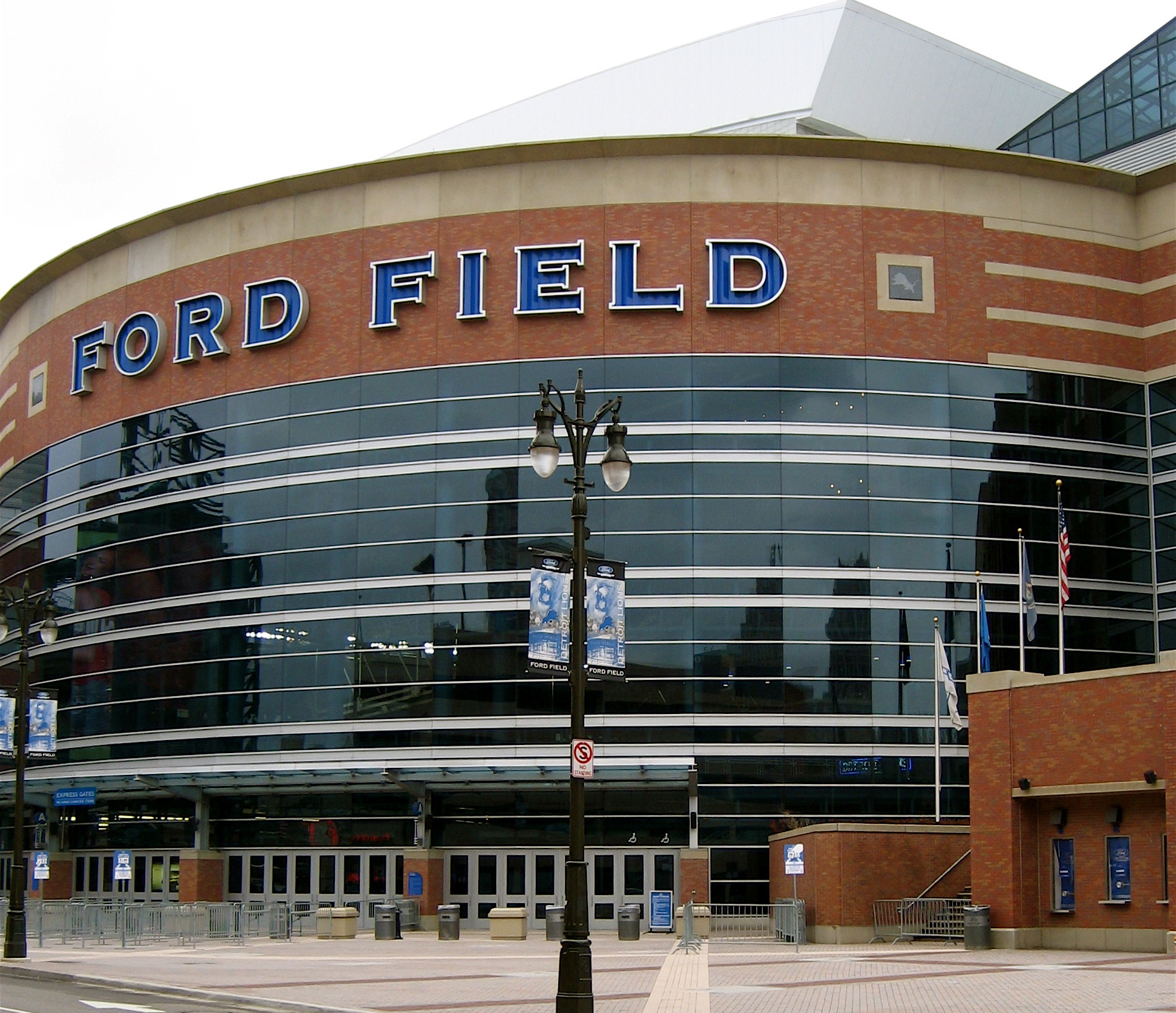

The Lions announced November 20 that Red Hot Chili Peppers drummer Chad Smith will perform with Wu-Tang Clan in their Thanksgiving halftime show powered by Verizon.
The addition names another performer, without disclosing fees, a revised production budget, changed executive-producer or talent-selection roles, songs, set length or commercial returns.
 FULLY GUARANTEED
Headliner announced
Addition announced
Bears at Lions · CBS
The November 1 partnership announcement
Wu-Tang Clan will headline the Lions’ Thanksgiving halftime show against the Bears at Ford Field, Detroit announced Sunday. The November 26 game is scheduled for 1 p.m. Eastern on CBS. Antonio Cipriano will perform the national anthem. The booking gives the holiday broadcast its announced musical centerpiece, with the commercial relationships already named around it.
The Lions describe Verizon as powering the halftime show and Ford as presenting the Thanksgiving Day Classic. Eminem and Paul Rosenberg return as executive producers who select the talent, in the second year of a multiyear partnership. These are distinct roles in the team’s announcement: a game presenting sponsor, a halftime sponsor, production and talent-selection partners, and a television outlet.
FULLY GUARANTEEDwith J. Lalwani
The announcement leaves prices open
The financial limit is equally clear. The announcement does not disclose an artist fee, sponsorship price, production budget or compensation for the executive producers. No payment to a specific participant can be calculated from a naming credit. A multiyear relationship identifies duration in general terms; it does not, by itself, reveal a remaining contract value or a particular renewal right.
That separation is the business story. A televised football event can accommodate several commercial relationships, each attached to a different part of the experience. A reader evaluating the announcement should ask what each party is publicly credited with doing before assigning economic value to the relationship. The billing is evidence of the announced role. It is not an invoice.
Creative influence has a defined limit
The same discipline applies to leverage. Choosing performers can give a producer influence over a show’s creative identity; the announcement expressly assigns talent selection here. It does not establish who has final approval, which rights have been licensed, who bears a cancellation risk or how revenue is shared. Those would require actual terms or additional reporting. They should not be supplied by an attractive theory of the deal.
For the performers, the announced opportunity is a place within a football broadcast. For the club and its partners, the decision connects a named act to the holiday event. The audience response, commercial return and value of any future renewal remain outcomes to measure. None is established simply because the lineup has been announced.
The verdict
Fully Guaranteed’s view: read Detroit’s announcement as a useful map of the partnership, with the money columns still blank. There is enough disclosed to explain who is associated with the game and show. There is not enough to rank the deal by price, declare a financial winner or turn a creative credit into ownership.